


- HERSHE Beauty FAQ
- Beauty Q&A
- Find answers to your beauty questions with HERSHE
HERSHE Beauty FAQ
|
Does a Double Chin Get Worse with Age? 2026-07-08 hit.235 |
|
Does a Double Chin Get Worse with Age?
Have you ever looked in the mirror and noticed that your jawline seems less defined than it used to be, or found that your double chin appears more noticeable in photos? Many people assume, "I probably have a double chin because I've gained weight. " However, body weight is only one of several contributing factors. Age-related skin laxity and changes in the underlying muscles can also play a significant role. As we age, the jawline gradually loses definition, and the boundary between the chin and neck becomes less distinct, often making a double chin appear more prominent. Today, we'll explain why double chins tend to become more noticeable with age, the available treatment options, and lifestyle habits that may help prevent or minimize the condition.
What Is a Double Chin? A double chin refers to the appearance of fullness beneath the chin caused by fat accumulation, skin laxity, or weakened muscles, resulting in a less defined jawline. However, not every double chin develops for the same reason. Common contributing factors include: Reduced skin elasticity Increased submental (under-chin) fat Laxity of the muscles beneath the chin Age-related tissue sagging Genetic facial structure Poor posture Rapid weight gain or weight loss In other words, a double chin can develop even in individuals who are not overweight, and it may persist even after weight loss.
Why Does a Double Chin Become More Noticeable with Age? 1. Skin Loses Elasticity " Beginning in our twenties, collagen and elastin production gradually decreases. As the skin's support structure weakens, the skin beneath the chin may begin to sag, making the double chin appear more pronounced. These changes often become more noticeable in the 30s and 40s. 2. Fat Beneath the Chin Can Descend : As aging progresses, fat distribution changes. The fat beneath the chin may shift downward, causing the transition between the face and neck to become less defined and the V-line to appear less distinct. As a result, a double chin may appear more prominent even without a significant increase in fat volume. 3. The Neck and Chin Muscles Become Weaker : Several muscles beneath the chin help maintain the contour of the lower face. As these muscles become weaker with age, their ability to support the skin and soft tissues decreases, allowing the skin and fat to sag downward. 4. Overall Facial Support Decreases : With aging, the facial retaining ligaments and soft tissues gradually lose their support. As the cheeks descend, they can also affect the jawline, making the appearance of a double chin more noticeable. 5. Daily Habits Can Also Contribute : Frequently looking down at smartphones, maintaining a forward head posture, or sitting for long periods may place continuous strain on the skin and muscles around the neck and chin. Over time, these habits may contribute to the appearance of a more prominent double chin.
Can You Have a Double Chin Even If You're at a Healthy Weight? Yes. Many people are surprised to learn that even individuals with a slim body type may develop a double chin. This may occur in people who have: A naturally short chin Reduced skin elasticity Concentrated fat beneath the chin A genetically shorter jawline Weaker muscles beneath the chin For this reason, body weight alone is not an accurate indicator when evaluating a double chin. Who May Consider Double Chin Treatment? Treatment may be considered if you: 1. Still have a poorly defined jawline despite losing weight 2. Notice that the boundary between your chin and neck appears blurred from the side 3. Feel your double chin looks especially noticeable in photographs 4. Feel your neck appears shorter than your face 5. Notice that your jawline has become less defined with age 6. Feel that your V-line has gradually disappeared
What Treatment Options Are Available for a Double Chin? Because the causes of a double chin vary from person to person, the most appropriate treatment also differs. 1. When Excess Fat Is the Primary Cause : Reducing submental fat may be considered. 2. When Skin Laxity Is the Primary Cause : Skin-tightening or lifting procedures may help improve skin firmness. 3. When Muscle Laxity Is the Primary Cause : A treatment plan that also addresses the condition of the muscles beneath the chin may be appropriate. At HERSHE Plastic Surgery, we focus not only on reducing fat but also on evaluating each patient's individual condition. When appropriate, treatment options such as Double Chin Muscle Tightening may be considered as part of a personalized treatment plan aimed at improving the underlying structure of the jawline. Lifestyle Habits That May Help Prevent a Double Chin Although aging cannot be completely prevented, healthy lifestyle habits may help minimize its effects. 1. Maintain Good Posture : Keeping your head tilted downward for long periods may place additional stress on the skin beneath the chin. Maintaining proper posture is recommended. 2. Maintain a Stable Weight : Significant fluctuations in body weight may affect skin elasticity. 3. Stay Well Hydrated : Adequate hydration may help support overall skin health. 4. Protect Your Skin from UV Exposure : Ultraviolet (UV) rays are one of the major contributors to skin aging. Applying sunscreen not only to the face but also to the neck and under-chin area may help protect the skin.
A double chin is not caused solely by weight gain. Age-related skin laxity, fat redistribution, muscle relaxation, and daily habits all contribute to its development. As a result, it is natural for a double chin to become more noticeable with age. The first step toward improvement is understanding the underlying cause through an accurate evaluation. |
|
 NEXT NEXT |
 When Can You Exercise After a Hip Lift Procedure? When Can You Exercise After a Hip Lift Procedure? |
 PREV PREV |
Can Bow Legs (O-Legs) Be Naturally Improved with Leg Fillers? |
|
|
|


- 허쉬성형외과 전문의 의료진이 콕콕 짚어드립니다.
-

 힙업리프팅으로 애플힙 뒤태 만들수있나요? 힙업성형 Q&A
-
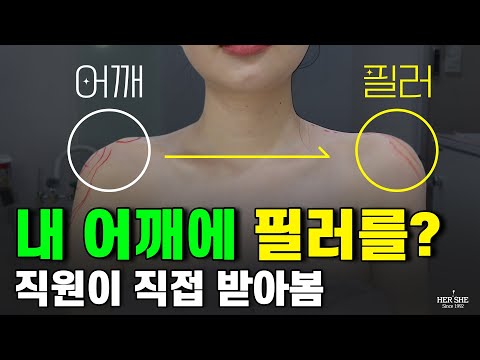 어깨필러 상담부터 시술과정까지, 직각어깨 REAL 현장
 쌍수하고 술 언제부터 마셔도 되나요?

- Before After
- 만족스러운 HERSHE Beauty FAQ 다음은 당신입니다.


-
1
허쉬는 대리수술이 없습니다.
진료를 담당한 의사가 직접 수술하는 것은 당연합니다. -
2
무리한 수술을 권유하지 않습니다.
디테일한 상담, 명확한 진단으로 가능한 범위 내에서
진료를 하겠습니다. -
3
끊임없는 연구와 노력을 이어갑니다.
기본부터 지키며, 성형을 발전시키는데
이바지하겠습니다. -
4
환자와 공감하고 소통하는 병원
작은 목소리도 가족이나 친구처럼 소홀히 하지 않습니다.
우리가 약속할수 있는 것


Online Consultation
- +82 10 3420 4624
- hershe.eng@gmail.com
Online Consultation
-
Weekdays 10:00 a.m. to 7:00 p.mSaturday 10:00 a.m. to 4:00 p.m
-
730, 2~4th floor, 63-12, Cheongdam-dong, Gangnam-gu, Seoul
Business registration number: 211-09-46633 | Mail order sales report number: 2011-Seoul Gangnam-02924 - Advertising / Affiliate Inquiry Contact Telephone: 02-518-6688 / E-mail: hershe.eng@gmail.com


