


- HERSHE Beauty FAQ
- Beauty Q&A
- Find answers to your beauty questions with HERSHE
HERSHE Beauty FAQ
|
Can Bow Legs (O-Legs) Be Naturally Improved with Leg Fillers? 2026-07-07 hit.234 |
|
Can Bow Legs (O-Legs) Be Naturally Improved with Leg Fillers?
As the weather gets warmer, more people begin wearing shorts, skirts, and other clothing that reveals the legs. Along with this seasonal change, consultations from individuals concerned about bow legs (O-legs)—where the legs appear separated or the leg line looks uneven—continue to increase. One of the most common questions patients ask is: "Can bow legs be improved with leg fillers?" "Is it possible to achieve a natural-looking leg contour without surgery?" Today, we'll explain the relationship between bow legs and leg fillers, who may benefit from the procedure, and what you should know before treatment.
What Are Bow Legs (O-Legs)? Bow legs refer to a leg shape in which the knees do not fully touch, or a noticeable gap remains between the inner calves when the legs are brought together. However, not all bow legs have the same cause. Common causes include: Naturally bowed skeletal structure Differences in muscle and fat distribution Insufficient volume along the inner calf Individual body proportions and anatomical characteristics For this reason, it is important to determine whether the appearance of bow legs is primarily caused by the bones or by soft tissue (muscle, fat, and volume). What Is Leg Filler? Leg filler is a procedure that enhances areas with insufficient volume to create a smoother and more balanced leg contour. By adding volume to areas such as the inner calf or other depressed regions of the leg, the legs may appear straighter and more harmonious. The key is not simply adding volume, but creating a customized design that considers overall leg proportions, symmetry, and body balance.
Can Bow Legs Be Improved with Leg Fillers? The answer is yes—for certain types of bow legs. However, it is important to understand that leg fillers do not correct the underlying bone structure. If bow legs are caused primarily by significant skeletal deformity, fillers alone may not provide sufficient correction. Leg fillers may be helpful in situations such as: Insufficient volume along the inner calf Uneven or irregular leg contours Differences in muscle development between the left and right legs Slim body types where the legs appear more bowed due to lack of soft tissue volume In these cases, strategically restoring volume may help create a straighter and more balanced leg silhouette.
What Improvements Can Be Expected from Leg Fillers? 1. A Smoother Leg Contour : Filling areas with insufficient volume may help create a softer and more continuous leg line. 2. Reduced Appearance of Bow Legs : When the appearance of bow legs is caused primarily by volume deficiency rather than bone structure, natural contour improvement may be possible. 3. Greater Confidence in Your Body Contour : Some patients feel more confident wearing shorts, dresses, leggings, or skirts after improving the appearance of their leg line. 4. Improved Left-Right Symmetry : No two legs are perfectly identical. Designing treatment with overall balance and symmetry in mind is an important part of achieving natural-looking results. Who May Benefit from Leg Fillers? Leg fillers may be considered for individuals who: 1. Feel self-conscious because their legs appear bowed 2. Have noticeable hollowing along the inner calves 3. Have uneven or irregular leg contours 4. Have a slim body type that makes the legs appear more bowed 5. Want to improve leg contours without surgery
Important Considerations Before Leg Filler Treatment 1. Accurate Diagnosis Comes First : Identifying the cause of the bow-leg appearance is the most important step. The treatment approach may differ depending on whether the cause is skeletal structure, muscle, or volume deficiency. 2. More Volume Is Not Always Better : Injecting a larger amount of filler does not necessarily produce better results. A natural design that considers body proportions, calf length, and thigh balance is essential. 3. Discuss Your Desired Outcome Thoroughly : Whether you prefer a subtle, natural contour or a fuller leg appearance, treatment planning should be tailored to your aesthetic goals. Post-Treatment Care After Leg Fillers Proper aftercare plays an important role in achieving optimal recovery and satisfaction. 1. Avoid Strenuous Exercise for a Period : Activities that place significant stress on the calves should be avoided for the period recommended by your medical team. 2. Avoid Strong Massage or Pressure : Excessive pressure or massage should be avoided until the treated area has stabilized. 3. Stay Well Hydrated : Adequate hydration may help support recovery and maintain skin condition. 4. Attend Scheduled Follow-Up Visits : Regular follow-up appointments allow your medical team to evaluate healing and treatment progress.
The reason legs appear bowed varies from person to person, and not every case can be improved using the same approach. Although leg fillers do not correct the underlying skeletal structure, they may help improve insufficient inner calf volume and uneven leg contours, creating a smoother and more balanced leg silhouette. Most importantly, an accurate evaluation of your leg anatomy and a personalized treatment plan based on your body proportions are essential. |
|
 NEXT NEXT |
 Does a Double Chin Get Worse with Age? Does a Double Chin Get Worse with Age? |
 PREV PREV |
If Your Eyes Are Sagging, Do You Need Upper Blepharoplasty or Lower Blepharoplasty? |
|
|
|


- 허쉬성형외과 전문의 의료진이 콕콕 짚어드립니다.
-

 힙업리프팅으로 애플힙 뒤태 만들수있나요? 힙업성형 Q&A
-
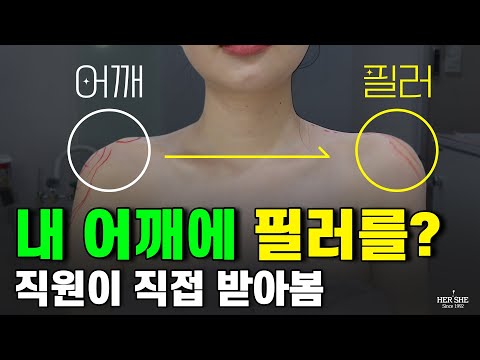 어깨필러 상담부터 시술과정까지, 직각어깨 REAL 현장
 쌍수하고 술 언제부터 마셔도 되나요?

- Before After
- 만족스러운 HERSHE Beauty FAQ 다음은 당신입니다.


-
1
허쉬는 대리수술이 없습니다.
진료를 담당한 의사가 직접 수술하는 것은 당연합니다. -
2
무리한 수술을 권유하지 않습니다.
디테일한 상담, 명확한 진단으로 가능한 범위 내에서
진료를 하겠습니다. -
3
끊임없는 연구와 노력을 이어갑니다.
기본부터 지키며, 성형을 발전시키는데
이바지하겠습니다. -
4
환자와 공감하고 소통하는 병원
작은 목소리도 가족이나 친구처럼 소홀히 하지 않습니다.
우리가 약속할수 있는 것


Online Consultation
- +82 10 3420 4624
- hershe.eng@gmail.com
Online Consultation
-
Weekdays 10:00 a.m. to 7:00 p.mSaturday 10:00 a.m. to 4:00 p.m
-
730, 2~4th floor, 63-12, Cheongdam-dong, Gangnam-gu, Seoul
Business registration number: 211-09-46633 | Mail order sales report number: 2011-Seoul Gangnam-02924 - Advertising / Affiliate Inquiry Contact Telephone: 02-518-6688 / E-mail: hershe.eng@gmail.com


