


- HERSHE Beauty FAQ
- Beauty Q&A
- Find answers to your beauty questions with HERSHE
HERSHE Beauty FAQ
|
My trapezius muscles are developed. Can I still get 90 Degrees Shoulder Filler? 2026-10-12 hit.1,131 |
|
My trapezius muscles are developed. Can I still get 90 Degrees Shoulder Filler?  “My trapezius muscles are prominent, so my neck looks short.” “My shoulders are narrow and rounded, so clothes do not fit the way I want.” “I want a more defined 90-degree shoulder line. Can I still get shoulder filler if my trapezius muscles are developed?” These are common questions among people concerned about their shoulder line. When the shoulder line feels unsatisfactory, the trapezius muscles are often the first thing that comes to mind. Prominent trapezius muscles can make the shoulders appear raised and the neck look relatively short. However, a rounded or sloping shoulder line is not always caused by the trapezius muscles alone. The shoulders may also appear rounded or sloped when the outer shoulder lacks volume, the area connecting the collarbone and shoulder looks hollow, or the height and shape of the shoulders differ. Therefore, shoulder filler may still be considered when the trapezius muscles are developed. However, filler alone may not create the desired line in every case. Below, we will explain what should be assessed when the trapezius muscles are prominent and how shoulder filler differs from trapezius toxin treatment.  1. Why does the shoulder line look different when the trapezius muscles are developed? The trapezius is a broad muscle that extends from the back of the neck across the shoulders and upper back. It is involved in neck and shoulder movement as well as posture maintenance. The line from the neck to the shoulders can look different depending on the development of the trapezius muscles and the shape and position of the shoulder blades. When the upper trapezius is prominent, the point where the neck meets the shoulder may appear higher, making the neck look relatively short. Conversely, even when the trapezius muscles are not particularly prominent, a lack of volume at the outer shoulders or downward-sloping shoulders may make a 90-degree shoulder line less defined. In other words, similar concerns about the shoulder line can have different causes. • The trapezius muscles are prominent, making the neck–shoulder boundary more noticeable • The outer shoulders lack volume • The area connecting the collarbone and shoulder looks hollow • The shoulders are narrow, rounded or slope downward • The height or shape of the two shoulders differs The shoulder line is not determined by muscle alone. The skeletal structure, muscle condition, volume, posture and left–right balance should be assessed together. 2. Can shoulder filler be considered when the trapezius muscles are developed? Shoulder filler may be considered even when the trapezius muscles are developed. However, the appropriate approach depends on the degree of trapezius development and the amount of volume at the outer shoulders. Shoulder filler adds volume to selected shoulder areas to complement insufficient volume and refine the outer shoulder contour. Trapezius toxin treatment, on the other hand, is intended to reduce excessive muscle activity and may gradually soften the appearance of prominent muscles. Because the two treatments target different tissues, it is important to identify why the shoulders appear rounded or narrow before choosing a procedure. CASE 1. The trapezius muscles are prominent and the outer shoulders also lack volume Some people have developed trapezius muscles together with insufficient volume at the outer shoulders. Treating only the trapezius muscles does not replace missing volume at the shoulder tips. Conversely, adding volume with shoulder filler alone does not directly reduce developed trapezius muscles. In these cases, the muscle condition and the shape of the outer shoulders may be evaluated together. Shoulder filler and trapezius toxin treatment may be considered in combination when medically appropriate. CASE 2. The trapezius muscles are not particularly prominent, but the shoulders look rounded or sloped A rounded shoulder line does not necessarily indicate developed trapezius muscles. When the outer shoulders lack volume or the area connecting the collarbone and shoulder looks hollow, the outer shoulder line may appear to slope downward. In these cases, shoulder filler that complements insufficient volume may be considered instead of trapezius toxin treatment. CASE 3. Prominent trapezius muscles are the primary concern When the primary concern is prominent upper shoulder muscles and a neck that appears short, trapezius toxin treatment may be considered first. However, the appearance of a short neck can also be influenced by the skeletal structure and posture. Trapezius toxin treatment is therefore not suitable for every case. The decision between shoulder filler and trapezius toxin treatment should be based on the individual shoulder structure rather than the name or popularity of a procedure.  3. What is the difference between shoulder filler and trapezius toxin treatment? The two procedures can be confused, but their treatment targets and purposes differ. Shoulder filler: complements insufficient volume Shoulder filler adds volume to selected areas such as the outer shoulder or visibly hollow areas to refine the outer shoulder line. The treatment area and volume should be determined according to the individual’s skeletal structure and shoulder shape, with consideration given to the balance and natural appearance of the shoulder line. Trapezius toxin treatment: reduces excessive muscle activity Trapezius toxin treatment works by reducing muscle contraction. It may be considered when developed trapezius muscles or a prominent neck–shoulder junction are the primary concerns. Muscle size and response vary between individuals, so the degree and timing of change after treatment may also differ. When both procedures are considered When the trapezius muscles are prominent and the outer shoulders also lack volume, both treatments may be considered. The important point is not to perform both procedures automatically, but to confirm that there is an appropriate reason for each treatment. 4. What does HERSHE Plastic Surgery assess when planning shoulder filler? HERSHE Plastic Surgery plans shoulder filler according to the individual’s body shape and shoulder structure. When the shoulders appear narrow or sloped, or when the shoulder bones are prominent, shoulder filler may be considered to complement the deficient areas. When developed trapezius muscles make the neck appear short or thick, trapezius toxin treatment may be considered. If both characteristics are present, a combined approach may also be evaluated. The following factors should be assessed before treatment. 1) Shoulder skeleton and collarbone shape The outer shoulder line varies depending on the shape of the collarbone and shoulder blades. The areas that can be complemented with filler and the range of natural change should be evaluated together. 2) Volume at the outer shoulders When the shoulder tips look hollow or lack volume, the specific areas requiring correction and the appropriate amount of filler should be planned. 3) Degree of trapezius development The condition of the trapezius muscles can affect whether shoulder filler alone is appropriate or whether trapezius toxin treatment should also be considered. 4) Left–right shoulder balance The height and shape of both shoulders should be assessed. When there is asymmetry, using the same amount of filler on both sides may not be appropriate. 5) Overall line from the neck to the shoulders The assessment should not focus only on the shoulder tips. The connection between the neck, collarbones and outer shoulder line should also be evaluated.  5. How many cc of shoulder filler are needed? The required filler volume is one of the most common questions about shoulder filler. The model recruitment information provided by HERSHE Plastic Surgery states that up to a combined total of 20cc may be used for both shoulders under that particular program. However, this is the maximum amount specified for the model recruitment program and does not mean that everyone requires 20cc. The appropriate volume can vary according to the shoulder skeleton, collarbone shape, degree of hollowing at the shoulder tips, trapezius development and asymmetry. Even when the same volume is used, the result may differ depending on the injection area and the individual’s tissue condition. Rather than focusing on using a large volume, it is important to identify which areas lack volume and determine an appropriate degree of change. 6. Can shoulder filler make the trapezius muscles look less prominent? Complementing the outer shoulders can change the overall shoulder contour and may make the trapezius muscles appear relatively less prominent. However, this is a visual change produced by the altered balance of the shoulder line. Shoulder filler does not reduce the actual size of developed trapezius muscles. When the trapezius muscles are the primary cause of concern, their condition should be evaluated separately and trapezius toxin treatment may be considered when appropriate. When insufficient volume at the outer shoulders is the primary cause, shoulder filler may be a more appropriate option. The treatment plan can differ depending on whether the goal is to refine the shoulder contour, reduce excessive muscle activity or address both concerns.  7. What precautions should be followed after shoulder filler treatment? Temporary swelling, bruising, discomfort or stiffness may occur after shoulder filler treatment. Recovery varies between individuals. Avoid pressing or massaging the treated area unless instructed otherwise by the medical staff. Carrying a heavy bag on the shoulder for a prolonged period or performing strenuous upper-body exercise may also need to be avoided temporarily. Light exercise may generally be resumed approximately one to two weeks after treatment, depending on the treated area and recovery status. The appropriate time to resume exercise can vary, so follow the instructions provided by the attending medical staff. Filler procedures can cause unexpected side effects, including infection and vascular complications. Because the injection area and volume must be selected carefully for shoulder filler, a thorough consultation and medical assessment are necessary before treatment. 8. What should be checked before treatment when the trapezius muscles are developed? If you are concerned about creating a 90-degree shoulder line, the following questions may help you organize your concerns before consultation. • Is the primary concern that prominent trapezius muscles make the neck look short? • Do the shoulder tips look hollow or rounded? • Do the shoulders appear narrow? • Does the connection between the collarbones and shoulders lack definition? • Are the height or shape of the two shoulders different? • Is it necessary to reduce excessive trapezius activity, complement shoulder volume or assess both concerns? The answers to these questions do not determine the procedure by themselves. However, they can help you communicate your concerns more clearly during consultation. Whether treatment is appropriate and how it should be performed should be decided after the medical team assesses the muscles, bones and surrounding tissues.  Developed trapezius muscles do not automatically mean that shoulder filler cannot be performed. The cause of the prominent trapezius muscles and the amount of volume at the outer shoulders should be assessed together. If the muscles are the main concern, trapezius toxin treatment may be considered. If insufficient volume at the shoulder tips is the main concern, shoulder filler may be considered. When both characteristics are present, it may be appropriate to assess whether a combined approach is suitable. HERSHE Plastic Surgery evaluates the individual’s shoulder structure and volume, the degree of trapezius development and the left–right balance before determining an appropriate treatment direction. The important point is not to use a large amount of filler or reduce muscle activity unconditionally. The cause of the current shoulder line should be identified, and a method suitable for the individual body shape should be selected. If you are concerned about creating a 90-degree shoulder line, begin by identifying why the shoulders appear narrow or rounded and receive a consultation to determine whether shoulder filler, trapezius toxin treatment or another approach may be appropriate. *Treatment results may vary between individuals. All procedures may cause unexpected side effects, so caution is required. |
|
 NEXT NEXT |
 No Data. No Data. |
 PREV PREV |
Why Can Ears That Lie Close to the Head Change the Way the Face Looks? |
|
|
|


- 허쉬성형외과 전문의 의료진이 콕콕 짚어드립니다.
-

 힙업리프팅으로 애플힙 뒤태 만들수있나요? 힙업성형 Q&A
-
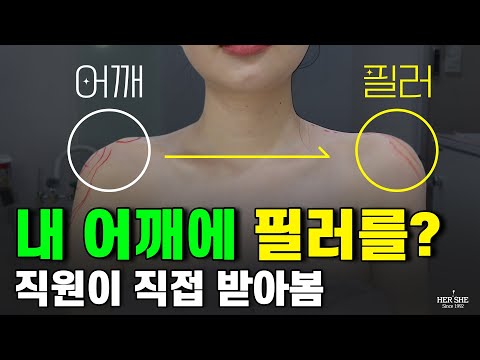 어깨필러 상담부터 시술과정까지, 직각어깨 REAL 현장
 쌍수하고 술 언제부터 마셔도 되나요?

- Before After
- 만족스러운 HERSHE Beauty FAQ 다음은 당신입니다.


-
1
허쉬는 대리수술이 없습니다.
진료를 담당한 의사가 직접 수술하는 것은 당연합니다. -
2
무리한 수술을 권유하지 않습니다.
디테일한 상담, 명확한 진단으로 가능한 범위 내에서
진료를 하겠습니다. -
3
끊임없는 연구와 노력을 이어갑니다.
기본부터 지키며, 성형을 발전시키는데
이바지하겠습니다. -
4
환자와 공감하고 소통하는 병원
작은 목소리도 가족이나 친구처럼 소홀히 하지 않습니다.
우리가 약속할수 있는 것
PREFER TO CONTACT US DIRECTLY?
Direct 1:1 consultation
Choose one of the channels below to begin a direct conversation with our English consultation team.


Online Consultation
Online Consultation
-
Weekdays 10:00 a.m. to 7:00 p.mSaturday 10:00 a.m. to 4:00 p.m
-
730, 2~4th floor, 63-12, Cheongdam-dong, Gangnam-gu, Seoul
Business registration number: 211-09-46633 | Mail order sales report number: 2011-Seoul Gangnam-02924 - Advertising / Affiliate Inquiry Contact Telephone: 02-518-6688 / E-mail: hershe.eng@gmail.com


