


- HERSHE Beauty FAQ
- Beauty Q&A
- Find answers to your beauty questions with HERSHE
HERSHE Beauty FAQ
|
Tired-looking eyes: Is under-eye fat the cause? When lower blepharoplasty may be considered 2026-09-29 hit.1,009 |
|
Tired-looking eyes: Is under-eye fat the cause? When lower blepharoplasty may be considered
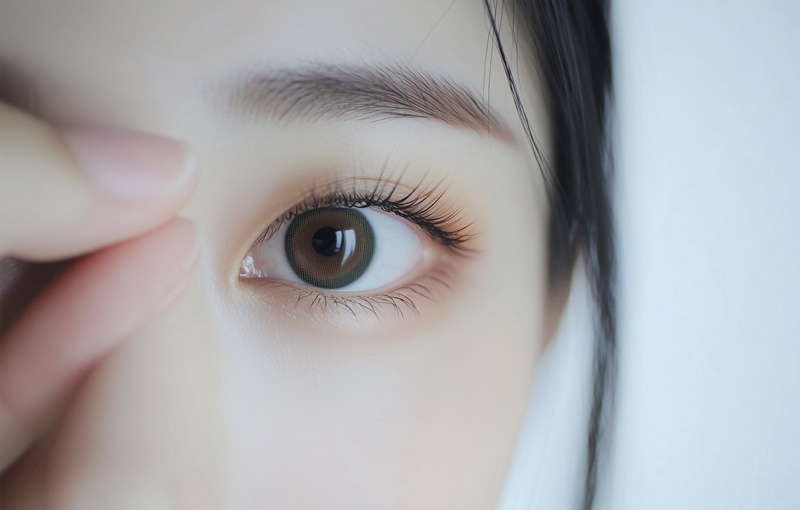
“I feel like I have been getting enough sleep, so why do I look so tired?” “Even with makeup, the area under my eyes looks dark.” “The area under my eyes seems to be getting puffier, and I think the wrinkles are increasing.” If you are concerned about the area under your eyes every time you look in the mirror, you may have searched for under-eye fat or lower blepharoplasty at least once. In fact, the area under the eyes is one of the areas of the face where changes tend to become relatively noticeable. This is because several changes may occur together, such as protruding under-eye fat, wrinkles and sagging caused by reduced skin elasticity, or shadowing from a hollow tear trough. HERSHE Plastic Surgery also explains in its lower blepharoplasty information that as aging progresses around the eyes, not only lower eyelid sagging but also protrusion and sagging of under-eye fat, as well as under-eye wrinkles and tear trough hollowing. Does that mean everyone with bulging under-eye fat needs lower blepharoplasty? Today, we will look at what can make the eyes look tired, how under-eye fat repositioning differs from lower blepharoplasty, and when lower blepharoplasty may be considered.
Tired-looking eyes: Is under-eye fat really the cause? First, it is important to know that tired-looking eyes are not determined by under-eye fat alone. The appearance of the under-eye area can be affected by several factors, including the following. Protrusion of under-eye fat Reduced skin elasticity under the eyes Under-eye wrinkles Sagging of the lower eyelids Tear trough hollowing Pigmentation under the eyes Dark circles Shadows around the eyes Individual under-eye anatomy When under-eye fat protrudes forward, it can create a relative shadow beneath it, making the area look darker or more tired. On the other hand, if the issue is not just under-eye fat but also sagging skin and increased wrinkles, adjusting the fat alone may not be sufficient. This is where it is important to distinguish between under-eye fat repositioning and lower blepharoplasty.
Does bulging under-eye fat always mean lower blepharoplasty? The answer is no. Even when under-eye fat protrudes, the options that may be considered can differ depending on skin laxity, the degree of wrinkles, and whether the tear trough is hollow. If under-eye fat is the main concern If under-eye fat protrudes without significant skin laxity, under-eye fat repositioning may be considered. At HERSHE Plastic Surgery, under-eye fat repositioning is described as adjusting protruding orbital fat through the conjunctiva on the inner side of the lower eyelid, and, when necessary, moving some fat to hollow areas such as the tear trough to balance volume under the eyes. In other words, it does not simply mean removing a large amount of fat, but rather a method that considers the balance between protruding and hollow areas. Then, what is lower blepharoplasty? Lower blepharoplasty is a procedure that addresses changes under the eyes associated with sagging skin and tissues of the lower eyelid. The surgical approach is also determined after considering each person’s under-eye condition, including wrinkles, sagging, and fat protrusion. Simply put, Under-eye fat repositioning → When the main concern is the volume balance between protruding fat and hollow areas Lower blepharoplasty → When age-related changes of the lower eyelid, such as skin sagging and wrinkles, occur together This is one way to distinguish them. However, because several changes often occur together under the eyes rather than a single symptom appearing alone, both approaches may sometimes be considered together.
When may lower blepharoplasty be considered? So, what under-eye conditions may lead to considering lower blepharoplasty? If you have concerns such as the following, you can discuss whether lower blepharoplasty may be appropriate during a consultation. 1. When the skin under the eyes looks loose and sagging As skin elasticity decreases with age, the lower eyelid skin may become loose and sag. In this case, it may not be just bulging under-eye fat; excess skin itself may also remain and sag. 2. When under-eye wrinkles have become noticeably more prominent When skin elasticity under the eyes decreases, wrinkles may become noticeable even without smiling or squinting. If loose under-eye skin is accompanied by protruding fat, the contours under the eyes may appear more pronounced. In this case, it is important to assess not only the fat but also the degree of skin sagging. 3. When under-eye fat and skin sagging occur together This is a common point of confusion during consultations. It is easy to think, “Since my under-eye fat is bulging, removing the fat should be enough,” but Under-eye fat + skin sagging + wrinklesif all of these are present, an approach beyond fat adjustment alone may be needed. 4. When the under-eye area looks both bulging and hollow It may seem surprising, but bulging and hollowing can exist at the same time. This is because the area directly below protruding under-eye fat can look relatively hollow, creating a visible boundary. In such cases, it is important to assess the volume balance between protruding fat and hollow areas rather than simply removing a large amount of fat. “Could I have only under-eye fat repositioning?” This is also an important question. Bulging under-eye fat does not necessarily mean that lower blepharoplasty is required. Conversely, when skin sagging is pronounced, it cannot be assumed that adjusting the fat alone will be sufficient. For example, 1. When the fat is bulging but skin elasticity is relatively maintained → Under-eye fat repositioning may be considered. 2. When the skin is loose, wrinkles are prominent, and fat also protrudes → Lower blepharoplasty may be considered along with fat removal or repositioning. 3. When the under-eye area bulges while the lower area looks hollow → Repositioning or grafting may be considered rather than simply removing the fat. 4. When the under-eye area mainly looks hollow → Other options may be considered after checking for fat protrusion and the condition of the tear trough. Ultimately, the important thing is not to decide first between lower blepharoplasty and under-eye fat repositioning, but to identify what changes are currently present under the eyes.
Does having dark circles mean you need lower blepharoplasty? This is another frequently asked question. “If I have dark circles, will lower blepharoplasty make them disappear?” Dark circles also do not have a single cause. Because factors such as pigmentation, blood vessels, skin thickness, and under-eye contours and shadows can all contribute, it is not appropriate to decide on lower blepharoplasty solely because dark circles are present. If the dark appearance is caused by protruding under-eye fat creating a shadow below, an approach to improve the under-eye contours may be considered, but if pigmentation is the main cause, it may be difficult to address it with surgery alone. Therefore, during a consultation, “I have dark circles.” rather than stopping at simply saying“Please check what may be causing my dark circles. ”it may be helpful to ask this question. Why does under-eye aging not appear as just one symptom? The reason the under-eye area can look particularly aged is not simply because the skin is aging. Over time,Reduced skin elasticity → wrinkles → fat protrusion → fat loss → tear trough hollowing → lower eyelid saggingSeveral changes may occur together. Therefore, even when people share the same concern that their under-eyes look aged, the actual cause can differ from person to person.
What should be checked before lower blepharoplasty? If you are considering lower blepharoplasty, checking only the amount of under-eye fat may not be enough. 1. Under-eye skin -> Degree of skin sagging Under-eye wrinkles Skin thickness Lower eyelid elasticity 2. Under-eye fat -> How much the fat protrudes Where the fat is distributed Whether the fat is sagging 3. Tear trough -> Degree of hollowing Extent of the tear trough Boundary with surrounding fat Degree of shadowing These factors need to be assessed together to determine whether to simply remove fat, consider repositioning, or also address skin sagging. How is lower blepharoplasty performed? 1. Lower eyelid incision The skin is incised along the lash line of the lower eyelid. 2. Trimming loose skin Loose skin is trimmed within the necessary range depending on the degree of sagging. 3. Fat adjustment If under-eye fat is bulging, some may be removed or repositioned to areas where needed. When under-eye hollowing is significant, fat grafting may also be considered. 4. Closure and recovery After the necessary corrections are completed, the incision is closed and the recovery process begins. However, the actual surgical method and extent may vary depending on the individual’s under-eye condition.
If any of these apply, consider having your under-eye condition assessed If the following concerns persist, you can consult about your under-eye condition, including whether lower blepharoplasty or under-eye fat repositioning may be considered. 1. Your eyes look tired even after getting enough rest. 2. Under-eye fat protrudes noticeably. 3. The area under the eyes looks shadowed. 4. There are more under-eye wrinkles than before. 5. The skin under the eyes looks loose and sagging. 6. The boundary between under-eye fat and the tear trough is distinct. 7. The under-eye area bulges while the area below looks hollow. 8. Sagging or wrinkles under the eyes become more noticeable in photos. However, matching this checklist does not necessarily mean that lower blepharoplasty is required. The first step is to identify which changes are the main cause.
Having concerns about tired-looking under-eyes does not automatically mean you need lower blepharoplasty. If under-eye fat is the main concern, under-eye fat repositioning may be considered; if skin sagging and wrinkles occur together, lower blepharoplasty may be considered. When several symptoms occur together, such as bulging under-eye fat with a hollow tear trough, a combination of fat removal, repositioning, grafting, or other approaches may also be considered. Ultimately, what matters is “Should I have lower blepharoplasty or under-eye fat repositioning?” rather than deciding this first, “What is making my under-eyes look tired and aged?” the priority is to identify the cause accurately. Because the under-eye area can affect the overall impression even with small changes, it is important to consider the current skin condition, fat distribution, and tear trough, and the degree of lower eyelid sagging, then consult about an approach suited to your condition. |
|
 NEXT NEXT |
 No Data. No Data. |
 PREV PREV |
Can Buttock Filler Create a Hip-Up Effect? |
|
|
|









- 허쉬성형외과 전문의 의료진이 콕콕 짚어드립니다.
-

 힙업리프팅으로 애플힙 뒤태 만들수있나요? 힙업성형 Q&A
-
 어깨필러 상담부터 시술과정까지, 직각어깨 REAL 현장
 쌍수하고 술 언제부터 마셔도 되나요?

- Before After
- 만족스러운 HERSHE Beauty FAQ 다음은 당신입니다.


-
1
허쉬는 대리수술이 없습니다.
진료를 담당한 의사가 직접 수술하는 것은 당연합니다. -
2
무리한 수술을 권유하지 않습니다.
디테일한 상담, 명확한 진단으로 가능한 범위 내에서
진료를 하겠습니다. -
3
끊임없는 연구와 노력을 이어갑니다.
기본부터 지키며, 성형을 발전시키는데
이바지하겠습니다. -
4
환자와 공감하고 소통하는 병원
작은 목소리도 가족이나 친구처럼 소홀히 하지 않습니다.
우리가 약속할수 있는 것
PREFER TO CONTACT US DIRECTLY?
Direct 1:1 consultation
Choose one of the channels below to begin a direct conversation with our English consultation team.


Online Consultation
Online Consultation
-
Weekdays 10:00 a.m. to 7:00 p.mSaturday 10:00 a.m. to 4:00 p.m
-
730, 2~4th floor, 63-12, Cheongdam-dong, Gangnam-gu, Seoul
Business registration number: 211-09-46633 | Mail order sales report number: 2011-Seoul Gangnam-02924 - Advertising / Affiliate Inquiry Contact Telephone: 02-518-6688 / E-mail: hershe.eng@gmail.com


