


- HERSHE Beauty FAQ
- Beauty Q&A
- Find answers to your beauty questions with HERSHE
HERSHE Beauty FAQ
|
Pelvic Filler Benefits: Which Hip Contours Can It Help? 2026-09-07 hit.789 |
|
Pelvic Filler Benefits: Which Hip Contours Can It Help?
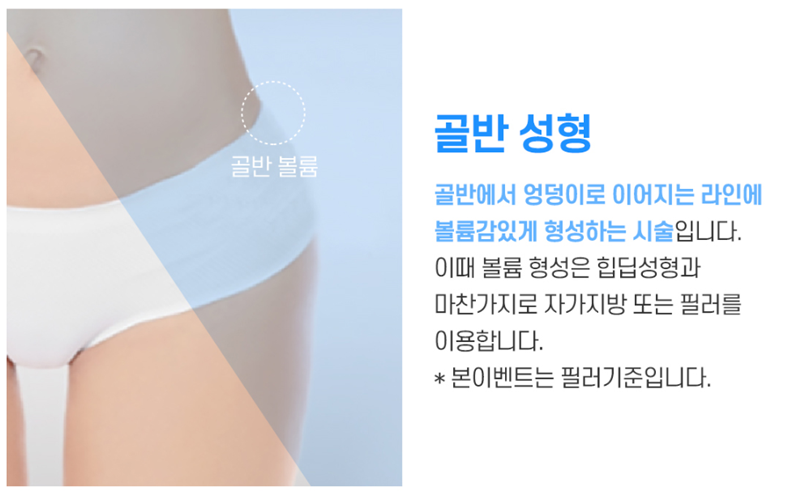
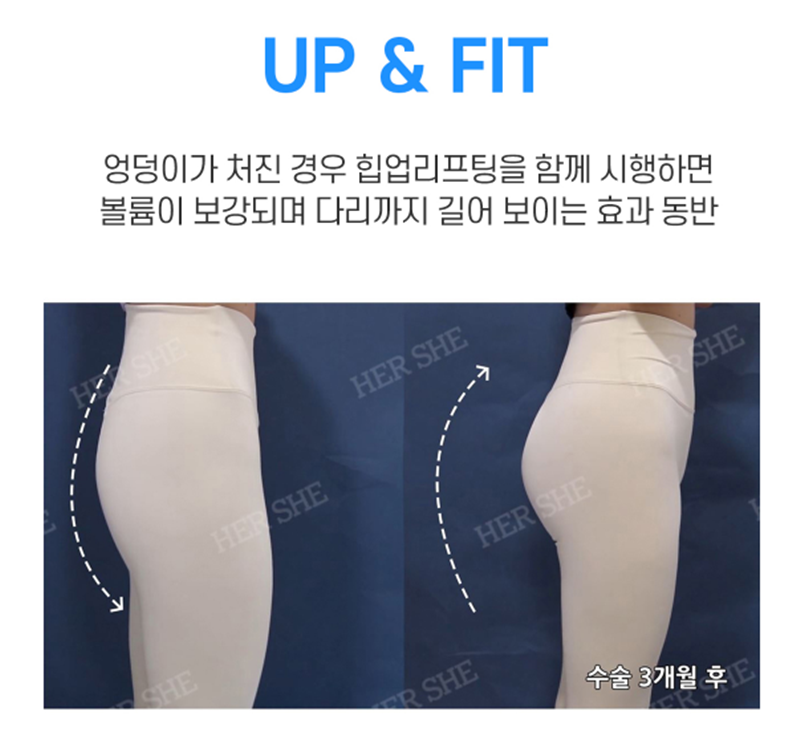
“My hips look narrow, making my overall figure look straight.”“My waist is defined, but my hips lack volume, so I am unhappy with my side profile.” “My hip dips seem to make my hips look even narrower.” When thinking about your body contour, you may have had thoughts like these. Some people are especially concerned because the waist-to-hip ratio does not change much even after losing weight or exercising consistently. One option they may look into is pelvic filler. However, there is one point to consider carefully when researching pelvic filler. It is how to understand the phrase “widening the hips.” Pelvic filler does not change the size or width of the pelvic bones themselves. It is closer to a contouring procedure that supplements volume in areas of the hips that appear lacking, creating a more three-dimensional line from the waist through the hips and buttocks. HERSHE Plastic Surgery also describes pelvic filler as a method using hyaluronic acid (HA) filler to supplement volume around the hips and improve the waist-to-hip ratio and overall body silhouette. Which specific hip contours, then, may benefit from pelvic filler? Today, we will examine this point step by step.
Why do the hips look narrow? First, when the hips “look narrow,” this does not mean everyone has the same actual pelvic-bone width. This is because each person differs in skeletal shape, pelvic structure, waist curvature, fat distribution around the hips, buttock volume, and how the thighs connect to the hips. These factors vary from person to person. Therefore, the overall silhouette may differ not only according to actual pelvic size, but also according to how curved the line from the waist to the hips appears. For example, if there is little difference between waist and hip width, the side profile may appear flat regardless of the person’s actual build. Conversely, adequate volume where the waist transitions into the hips can make the same build appear more three-dimensional. The HERSHE Plastic Surgery website also explains that flat-looking hips or insufficient volume can make the transition from waist to hips appear less defined, and that one aim of pelvic filler is to supplement volume where needed and improve the curve from the waist through the hips and buttocks.
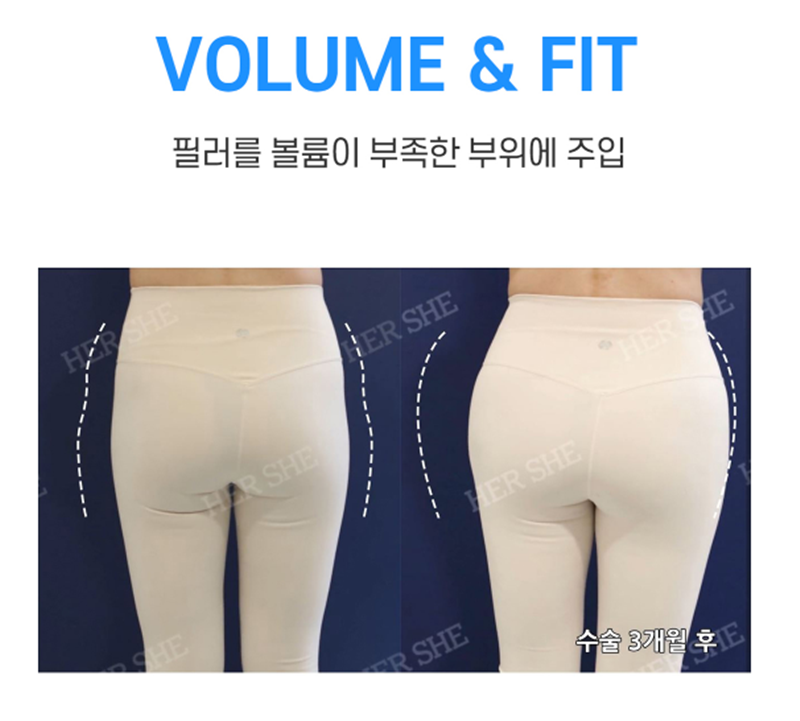
What are the potential benefits of pelvic filler? 1. Enhancing the line from the waist to the hips : This is one of the most common reasons for considering pelvic filler. If the waist is relatively defined but volume is lacking where it transitions into the hips, the side profile may appear flat. In this case, supplementing deficient volume around the hips may help improve the continuity of the silhouette from the waist → hips → buttocks. This may create a smoother visual transition. The goal is not simply to inject a large amount of filler to make the hips bigger. Because the areas requiring volume differ according to each person’s build, it is important to determine where and how much volume should be added. HERSHE Plastic Surgery likewise explains that its pelvic filler procedure is designed not simply to enlarge the hips, but to supplement volume in the areas needed based on the individual’s skeletal structure and build, with the aim of improving the waist-to-hip ratio. 2. When the hips appear flat : The second case is when the hips appear to lack three-dimensional contour. Insufficient volume around the hips can make the entire lower-body silhouette look flat from the front or side. In particular, when the hips look flat overall, when there is little difference between the waist and hips, or when the lower body appears straight, supplementing deficient hip volume may be considered. However, it is important to remember that “pelvic filler” is not a procedure that widens the pelvic bones. Because filler supplements soft-tissue volume, it does not change the skeletal structure itself. Therefore, it is better to assess pelvic filler in terms of “how the hip contour is enhanced” rather than “whether the actual pelvis becomes larger.” 3. When the waist-to-hip ratio feels less defined : Overall proportions matter more than simple measurements when evaluating body shape. Even with a well-defined waist, insufficient hip volume can make the difference between the waist and hips appear relatively small. Conversely, appropriately supplementing volume around the hips may increase the visual contrast between the waist and hips and alter the overall body silhouette. Therefore, when planning pelvic filler, it is important to assess not only the hips separately but also the entire line from the waist → hips → buttocks → thighs. These connected contours should be considered together.
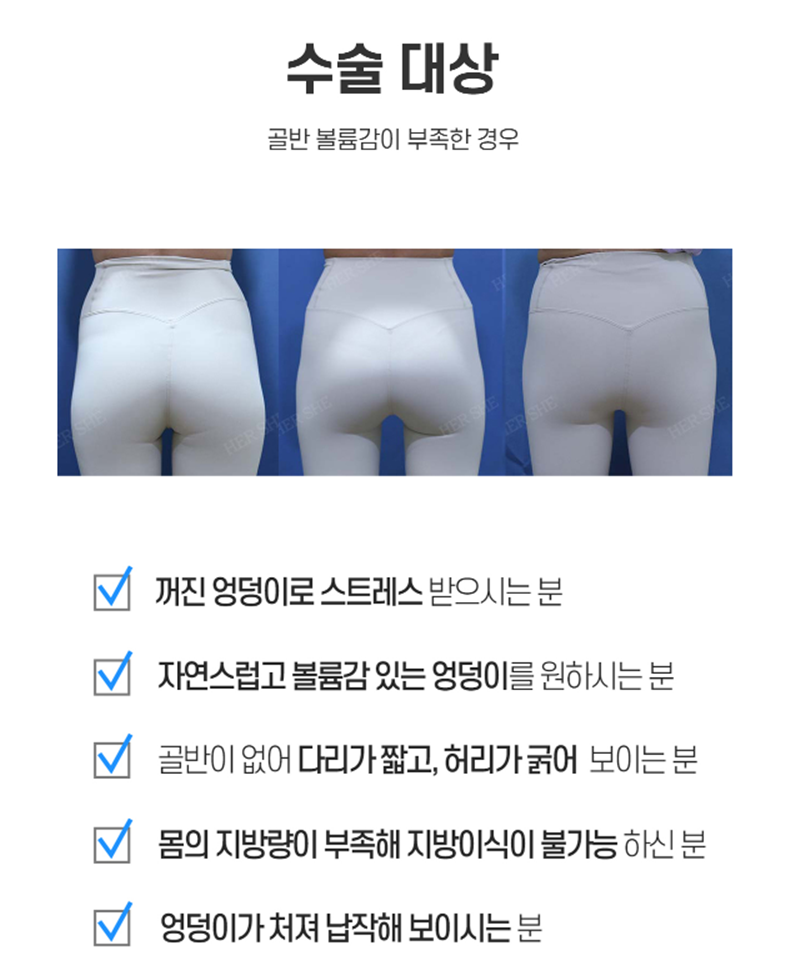
Pelvic filler may be considered for these hip contours If you have concerns such as the following, a consultation can help determine whether pelvic filler may be suitable. 1. When the hips look flat overall : When insufficient volume around the hips makes the lower-body silhouette appear flat. 2. When the waist is defined but the hips appear flat : When there is little difference between waist and hip width, creating an overall straight body line. 3. When the transition between the waist and buttocks lacks definition : When the curve from the waist through the hips to the buttocks does not flow naturally. 4. When the hip contour is not noticeable in clothing : The waist-and-hip silhouette may look less defined, especially in body-hugging or high-waisted clothing. 5. When differences between the left and right hip contours are noticeable : Depending on the individual condition, supplementing areas with less volume may be considered when the two sides differ in volume or shape. However, left-right asymmetry can have various causes, so it cannot be assumed that adding filler alone will resolve it.
Why consider pelvic filler if exercise can widen the hips? This is another common question. Developing the gluteal muscles through squats or buttock exercises can change buttock volume and shape. However, developing muscle through exercise and supplementing volume in a specific area around the hips are different approaches. If skeletal shape or a lack of volume in a specific area is the main concern, exercise alone may have limitations in precisely changing the desired area. Therefore, if a depression or hip-contour concern remains despite consistent exercise, it is worth first identifying which aspect of your build is responsible. Does more pelvic filler produce better results? No. The amount of volume alone is not what matters in pelvic filler. Concentrating too much volume in one area may disrupt balance with surrounding areas and look unnatural. For example, overemphasizing only the hips without considering their transition to the waist or buttocks can make the overall body contour appear awkward. Therefore, with pelvic filler, where the filler is placed, the shape created, and how it connects with surrounding contours matter more than the amount injected.This design is important.
When can exercise be resumed after pelvic filler? Immediately after pelvic filler, it is advisable to avoid strong stimulation of the treated area. Light daily activities are often possible, but high-intensity lower-body exercise, squats, lunges, and exercises that place strong pressure on the hips and buttocks may need to be avoided for a period of time. The HERSHE Plastic Surgery website also explains that light daily activities are generally possible after pelvic filler, but exercises such as squats or intense lower-body workouts that strongly stimulate the treated area should be avoided for a period, and that the timing for resuming exercise should follow the medical team’s guidance. How long does pelvic filler last? The duration of pelvic filler may vary depending on the filler type, amount injected, individual constitution, and lifestyle habits. The duration is described as approximately 1–2 years (individual results may vary). However, because filler is gradually broken down in the body over time, the original volume does not necessarily remain exactly the sameindefinitely. It is advisable to decide on treatment with the understanding that the volume may change over time.
When considering pelvic filler, the first question should be not “How much larger can my hips become?” but rather “Which areas of my hip contour lack volume?” That is the key question. Pelvic filler may be considered to supplement deficient volume when the hips look flat, the waist-to-hip ratio is less defined, or the line from the hips to the buttocks appears flat. Conversely, if a specific hip dip is the primary concern, hip-dip filler may be more appropriate; if overall buttock volume or sagging is the concern, other body-contouring procedures may also need consideration. Ultimately, what matters more than the procedure itself is a design suited to your body type. It is advisable to assess pelvic width, waist-to-hip ratio, buttock volume, and hip-dip depth together, accurately identify what is lacking in the current body shape, and then choose an appropriate approach. Pelvic filler should be approached as a procedure that supplements needed areas to create balance, rather than simply as a procedure that “makes the hips bigger.” |
|
 NEXT NEXT |
 No Data. No Data. |
 PREV PREV |
Upper eyelid and lower eyelid, which surgery do I need? |
|
|
|



- 허쉬성형외과 전문의 의료진이 콕콕 짚어드립니다.
-

 힙업리프팅으로 애플힙 뒤태 만들수있나요? 힙업성형 Q&A
-
 어깨필러 상담부터 시술과정까지, 직각어깨 REAL 현장
 쌍수하고 술 언제부터 마셔도 되나요?

- Before After
- 만족스러운 HERSHE Beauty FAQ 다음은 당신입니다.


-
1
허쉬는 대리수술이 없습니다.
진료를 담당한 의사가 직접 수술하는 것은 당연합니다. -
2
무리한 수술을 권유하지 않습니다.
디테일한 상담, 명확한 진단으로 가능한 범위 내에서
진료를 하겠습니다. -
3
끊임없는 연구와 노력을 이어갑니다.
기본부터 지키며, 성형을 발전시키는데
이바지하겠습니다. -
4
환자와 공감하고 소통하는 병원
작은 목소리도 가족이나 친구처럼 소홀히 하지 않습니다.
우리가 약속할수 있는 것


Online Consultation
- +82 10 3420 4624
- hershe.eng@gmail.com
Online Consultation
-
Weekdays 10:00 a.m. to 7:00 p.mSaturday 10:00 a.m. to 4:00 p.m
-
730, 2~4th floor, 63-12, Cheongdam-dong, Gangnam-gu, Seoul
Business registration number: 211-09-46633 | Mail order sales report number: 2011-Seoul Gangnam-02924 - Advertising / Affiliate Inquiry Contact Telephone: 02-518-6688 / E-mail: hershe.eng@gmail.com


