


- HERSHE Beauty FAQ
- Beauty Q&A
- Find answers to your beauty questions with HERSHE
HERSHE Beauty FAQ
|
When Can You Return to Daily Life After Double Chin Muscle Tightening? 2026-06-19 hit.251 |
|
When Can You Return to Daily Life After Double Chin Muscle Tightening?
Many people feel that a double chin affects the overall appearance of the face and jawline. Even individuals who are not overweight may feel that the area beneath the chin looks heavy or lacks definition, and some notice that dieting alone does not improve their double chin. One treatment option often considered in these cases is double chin muscle tightening. During consultations, one of the most common questions we hear at HERSHE Plastic Surgery is: “When can I go back to my normal daily routine after surgery?” Today, we'll take a closer look at how double chin muscle tightening works, what the recovery process is like, when daily activities are typically possible, and what postoperative care may involve.
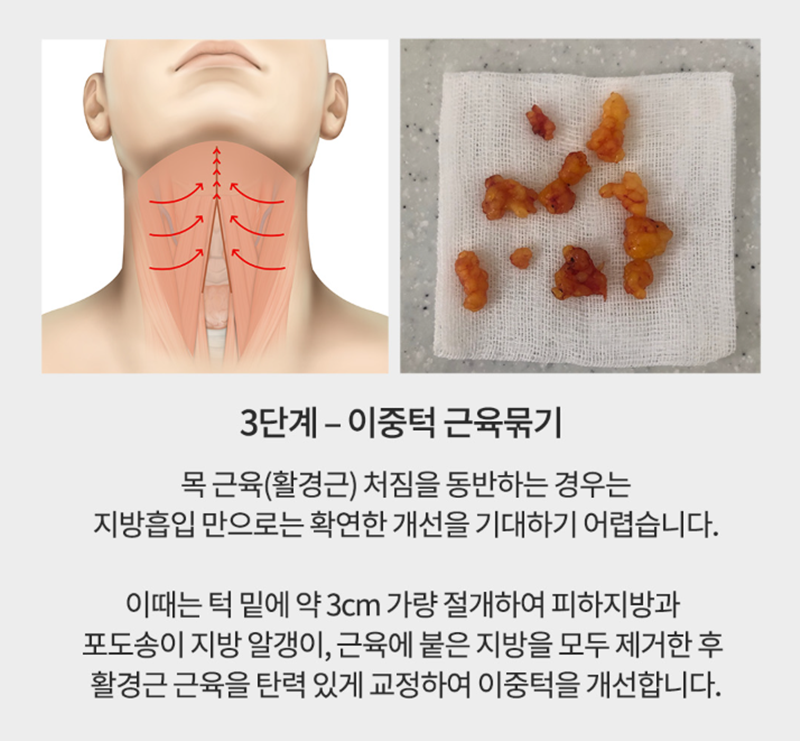
What Is Double Chin Muscle Tightening? The cause of a double chin is not always excess fat alone. Depending on the individual, separation or laxity of the neck muscle in the front of the neck (platysma muscle) can also contribute to a less defined jawline. Double chin muscle tightening is a surgical procedure that brings separated neck muscles together and secures them in the midline to create a more refined and defined contour beneath the chin. It may be considered in cases such as: A sagging appearance beneath the chin Poor definition between the jawline and neck Persistent double chin after weight loss Cases where liposuction alone may not provide sufficient improvement
When Can You Return to Daily Activities After Double Chin Muscle Tightening? Recovery varies from person to person, but in general, many patients are able to return to light daily activities relatively quickly. However, it is important to understand the normal healing process, as swelling and tightness can occur during the early recovery period. 1. Immediately After Surgery to Day 3 : During the first few days after surgery, swelling, soreness, and a feeling of tightness may occur. Some patients describe a heavy sensation beneath the chin or mild discomfort when moving the neck. Adequate rest and cold compresses may be helpful, and it is important to follow your surgeon’s postoperative instructions carefully. 2. Around the First Week : Many patients are able to resume light daily activities during this period. Office work and casual outings are often possible, although some swelling may still remain depending on the individual. If you have an important event or photoshoot planned, allowing additional recovery time may be beneficial. 3. Weeks 2–4 : Swelling gradually decreases, and changes in the jawline may become more noticeable. Most normal activities can typically be resumed, although strenuous exercise or activities that place significant stress on the neck should be discussed with your medical team. 4. One to Three Months : This is generally when healing becomes more stable and refined results can be appreciated. As residual swelling continues to resolve, the contour beneath the chin and along the neck may appear more defined.
Why Is Postoperative Care Important? The recovery process plays an important role in overall satisfaction and healing. Proper postoperative care may help support a smoother recovery. 1. Wearing a Compression Garment : Wearing a compression band as recommended by your surgeon may help with swelling management and tissue stabilization. The recommended duration may vary depending on your individual condition. 2. Limiting Excessive Neck Movement : During the early healing phase, it is generally advisable to avoid excessive neck extension or strenuous neck movements. 3. Avoiding Alcohol and Smoking : Alcohol consumption and smoking may affect the healing process, so temporary avoidance is often recommended. 4. Getting Adequate Rest and Sleep : Sufficient rest and maintaining healthy daily habits can support the recovery process. 5. Attending Scheduled Follow-Up Visits : Regular follow-up appointments allow your medical team to monitor healing and provide any necessary postoperative care.
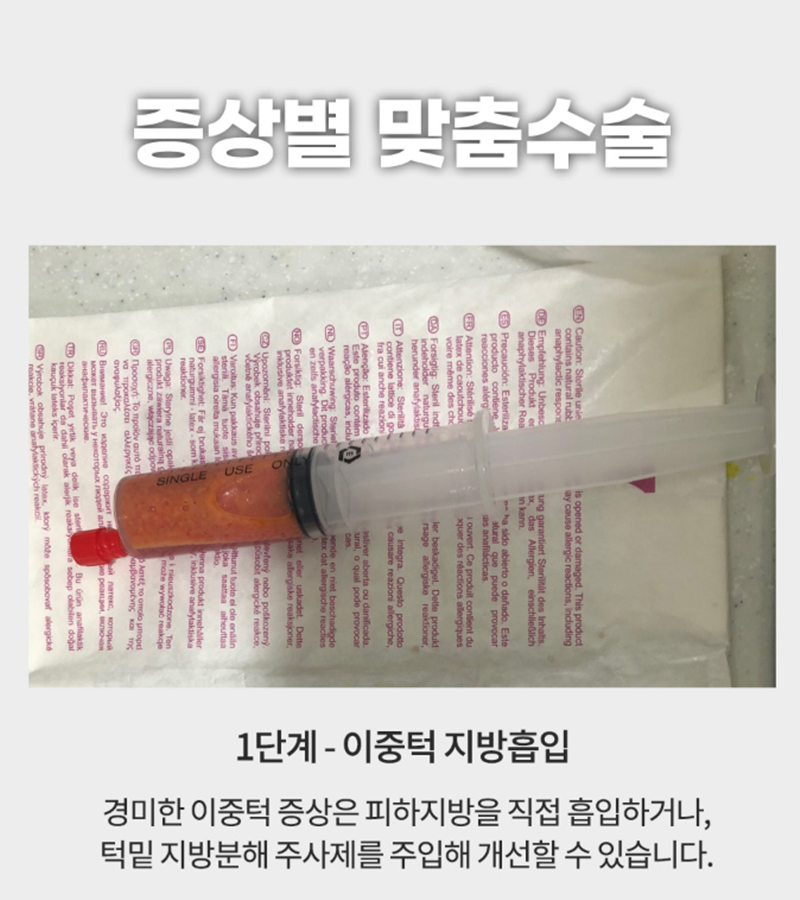
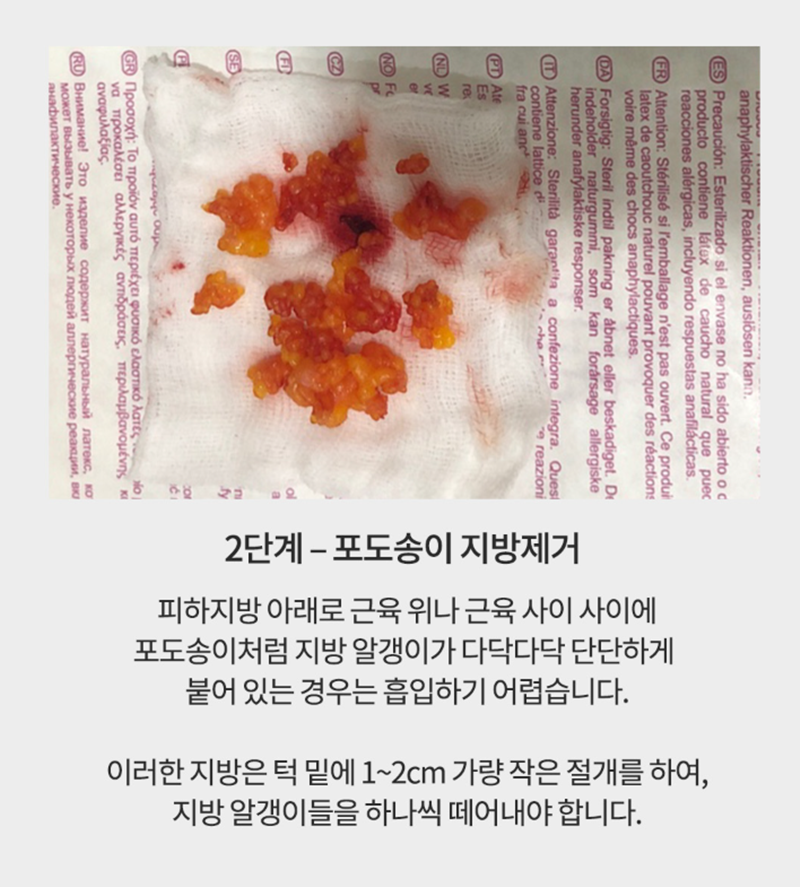
Is It Common to Combine Double Chin Muscle Tightening with Liposuction? The cause of a double chin varies from person to person. For some individuals, excess fat may be the primary concern, while for others, muscle laxity may play a larger role. For this reason, factors such as: Fat volume Skin elasticity Platysma muscle condition Facial structure may all be evaluated together. Depending on the findings, liposuction and muscle tightening may sometimes be considered as part of a combined treatment plan. The most important factor is not following a trend, but identifying the treatment approach that best matches your individual anatomy and concerns.
The timing for returning to daily activities after double chin muscle tightening varies among individuals, but many patients are able to resume light daily routines relatively quickly. Swelling reduction and tissue healing continue gradually over several weeks to several months. More important than the speed of recovery is having a treatment plan tailored to your individual condition, along with appropriate postoperative care. If you are concerned about a double chin or sagging beneath the chin, a thorough evaluation can help identify the underlying causes and determine the most appropriate treatment approach for your needs. |
|
 NEXT NEXT |
 No Data. No Data. |
 PREV PREV |
When Is Leg Filler Recommended? |
|
|
|




- 허쉬성형외과 전문의 의료진이 콕콕 짚어드립니다.
-

 힙업리프팅으로 애플힙 뒤태 만들수있나요? 힙업성형 Q&A
-
 어깨필러 상담부터 시술과정까지, 직각어깨 REAL 현장
 쌍수하고 술 언제부터 마셔도 되나요?

- Before After
- 만족스러운 HERSHE Beauty FAQ 다음은 당신입니다.


-
1
허쉬는 대리수술이 없습니다.
진료를 담당한 의사가 직접 수술하는 것은 당연합니다. -
2
무리한 수술을 권유하지 않습니다.
디테일한 상담, 명확한 진단으로 가능한 범위 내에서
진료를 하겠습니다. -
3
끊임없는 연구와 노력을 이어갑니다.
기본부터 지키며, 성형을 발전시키는데
이바지하겠습니다. -
4
환자와 공감하고 소통하는 병원
작은 목소리도 가족이나 친구처럼 소홀히 하지 않습니다.
우리가 약속할수 있는 것


Online Consultation
- +82 10 3420 4624
- hershe.eng@gmail.com
Online Consultation
-
Weekdays 10:00 a.m. to 7:00 p.mSaturday 10:00 a.m. to 4:00 p.m
-
730, 2~4th floor, 63-12, Cheongdam-dong, Gangnam-gu, Seoul
Business registration number: 211-09-46633 | Mail order sales report number: 2011-Seoul Gangnam-02924 - Advertising / Affiliate Inquiry Contact Telephone: 02-518-6688 / E-mail: hershe.eng@gmail.com


