


- HERSHE Beauty FAQ
- Beauty Q&A
- Find answers to your beauty questions with HERSHE
HERSHE Beauty FAQ
|
Key Points to Know Before Facelift Surgery 2026-05-15 hit.214 |
|
Key Points to Know Before Facelift Surgery
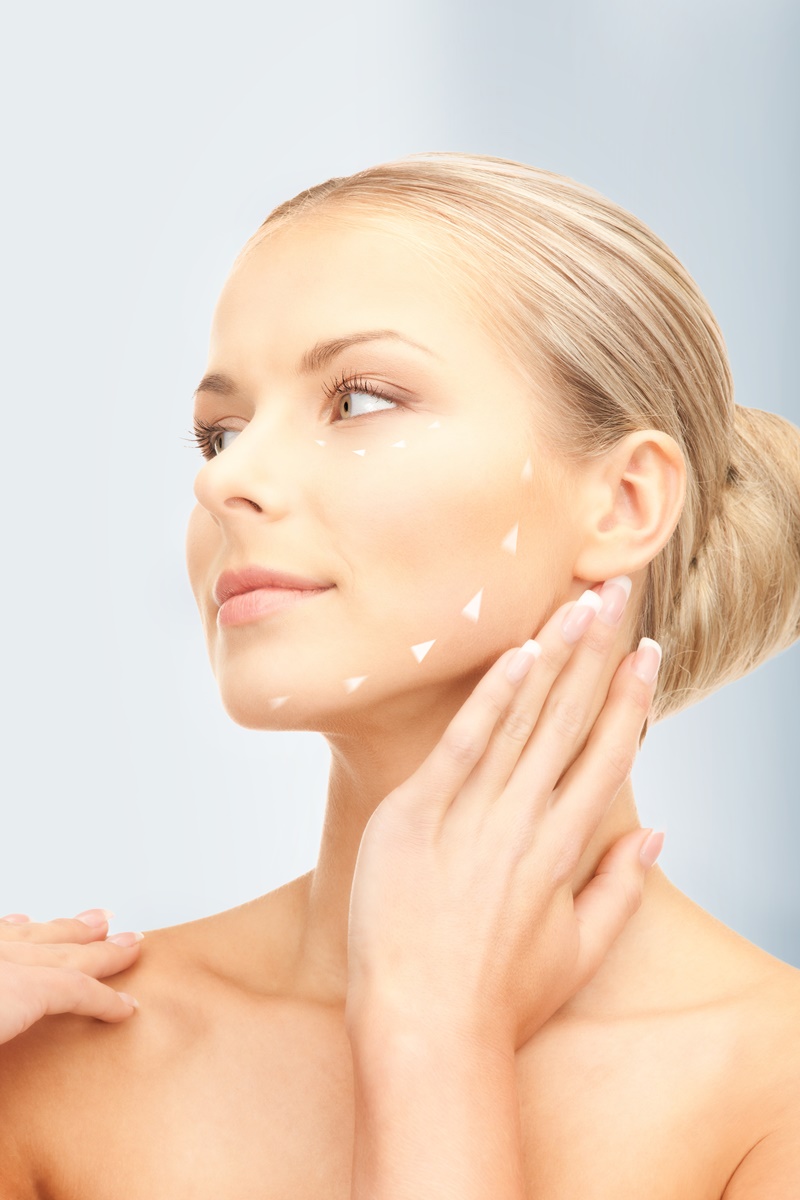
Many people notice changes over time when looking in the mirror—such as a less defined jawline, deeper nasolabial folds, or sagging cheeks. As aging progresses, concerns such as drooping along the jawline, more prominent smile lines, loss of facial contour, and a double chin-like appearance can make the face look more tired or older than it actually is. In these cases, one of the procedures often considered is a facelift. However, the important point is not to decide on surgery simply because “the face looks saggy,” but to first understand why the sagging is happening. Today, we’ll explain the main causes of facial sagging, when a facelift may be considered, and what changes may be expected.
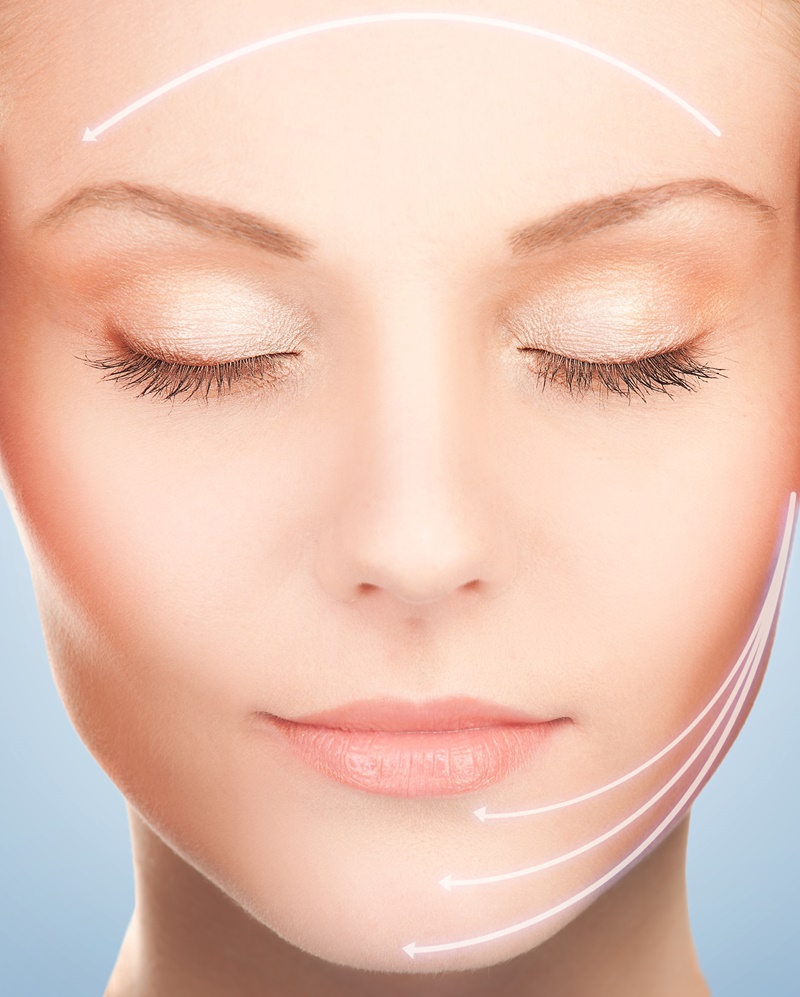
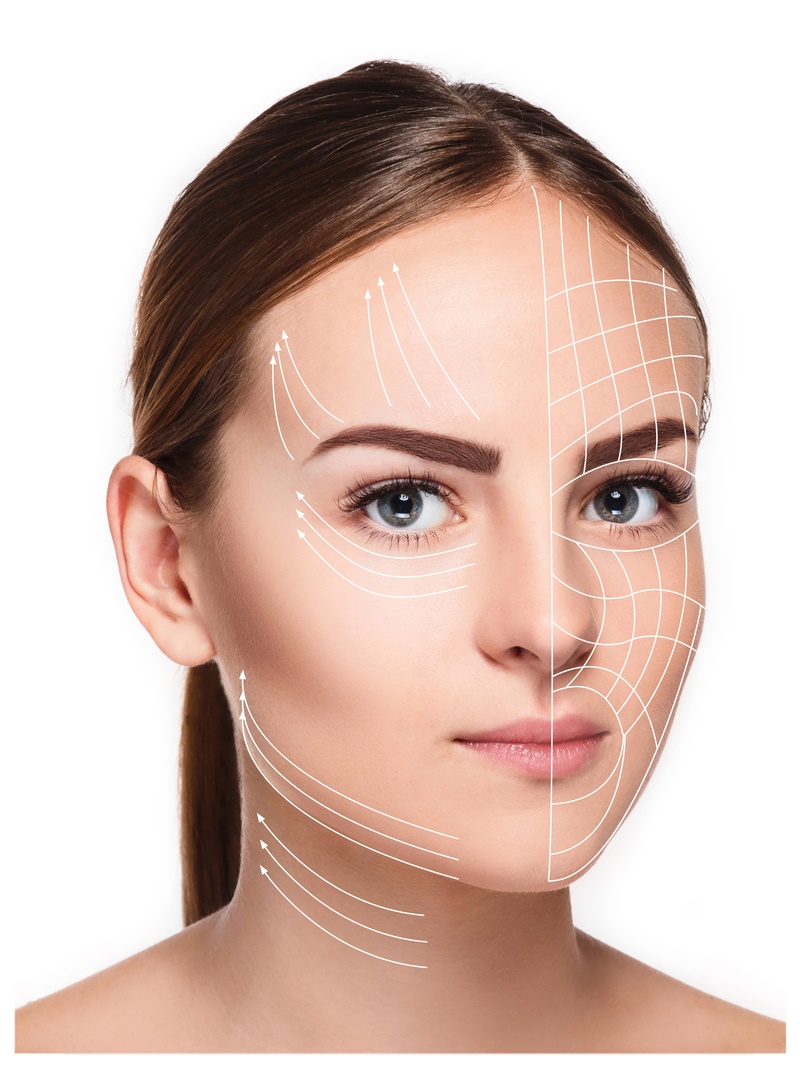
Common Causes of Facial Sagging? 1. Decreased Skin Elasticity As we age, collagen and elastic fibers gradually decrease. As a result, the skin loses firmness and begins to sag. 2. Changes in Fat Position Facial fat tends to shift downward over time. When areas such as the cheeks and deep cheek fat descend, nasolabial folds and jawline sagging may appear more prominent. 3. Laxity of Retaining Ligaments and the SMAS Layer One of the key structures in facelift surgery is the SMAS layer. The SMAS is a fibromuscular layer beneath the skin that plays a significant role in facial contour and sagging. When this layer sags along with the skin, lifting the skin alone may not be sufficient for improvement. 4. Loss of Jawline Definition As the jawline becomes less defined, the lower face may appear heavier, sometimes resembling a double chin. What Is a Facelift? A facelift is not simply about pulling the skin tighter. It is a procedure that improves both the skin and the underlying SMAS layer and tissues to restore and refine the overall facial contour. It is often considered for improving: Jawline definition Nasolabial folds Cheek sagging Lower face contour
When Might a Facelift Be Considered? 1. When the jawline has lost definition : If the V-line becomes blurred and lower face sagging is noticeable. 2. When nasolabial folds become deeper : Especially when combined with cheek sagging. 3. When deep cheek fat has descended : If the area around the mouth appears heavier. 4. When skin elasticity has significantly decreased : If non-surgical lifting treatments feel insufficient. Expected Changes After a Facelift While results vary from person to person, patients often expect: Improved jawline definition Reduction in lower face sagging Softening of nasolabial folds A clearer and more refined facial contour The key is not an overly tight appearance, but a naturally refreshed and balanced look.
Recovery Process After a Facelift After surgery, temporary symptoms such as swelling, bruising, and a pulling sensation may occur. These typically improve gradually over time. During the early recovery period, it is important to: Avoid intense physical activity Limit alcohol and smoking Follow compression care if advised Get sufficient rest
Facial sagging is not caused by a single factor. It is influenced by a combination of skin, fat, the SMAS layer, and jawline structure. For this reason, a facelift is not simply about tightening the skin—it is about accurately analyzing the underlying causes of sagging and addressing them appropriately. Rather than aiming for an overly tight result, achieving a natural and harmonious facial contour is often the most important factor for satisfaction. |
|
 NEXT NEXT |
 No Data. No Data. |
 PREV PREV |
What Is the Difference Between Double Chin Muscle Tightening and Liposuction? |
|
|
|




- 허쉬성형외과 전문의 의료진이 콕콕 짚어드립니다.
-

 힙업리프팅으로 애플힙 뒤태 만들수있나요? 힙업성형 Q&A
-
 어깨필러 상담부터 시술과정까지, 직각어깨 REAL 현장
 쌍수하고 술 언제부터 마셔도 되나요?

- Before After
- 만족스러운 HERSHE Beauty FAQ 다음은 당신입니다.


-
1
허쉬는 대리수술이 없습니다.
진료를 담당한 의사가 직접 수술하는 것은 당연합니다. -
2
무리한 수술을 권유하지 않습니다.
디테일한 상담, 명확한 진단으로 가능한 범위 내에서
진료를 하겠습니다. -
3
끊임없는 연구와 노력을 이어갑니다.
기본부터 지키며, 성형을 발전시키는데
이바지하겠습니다. -
4
환자와 공감하고 소통하는 병원
작은 목소리도 가족이나 친구처럼 소홀히 하지 않습니다.
우리가 약속할수 있는 것


Online Consultation
- +82 10 3420 4624
- hershe.eng@gmail.com
Online Consultation
-
Weekdays 10:00 a.m. to 7:00 p.mSaturday 10:00 a.m. to 4:00 p.m
-
730, 2~4th floor, 63-12, Cheongdam-dong, Gangnam-gu, Seoul
Business registration number: 211-09-46633 | Mail order sales report number: 2011-Seoul Gangnam-02924 - Advertising / Affiliate Inquiry Contact Telephone: 02-518-6688 / E-mail: hershe.eng@gmail.com


